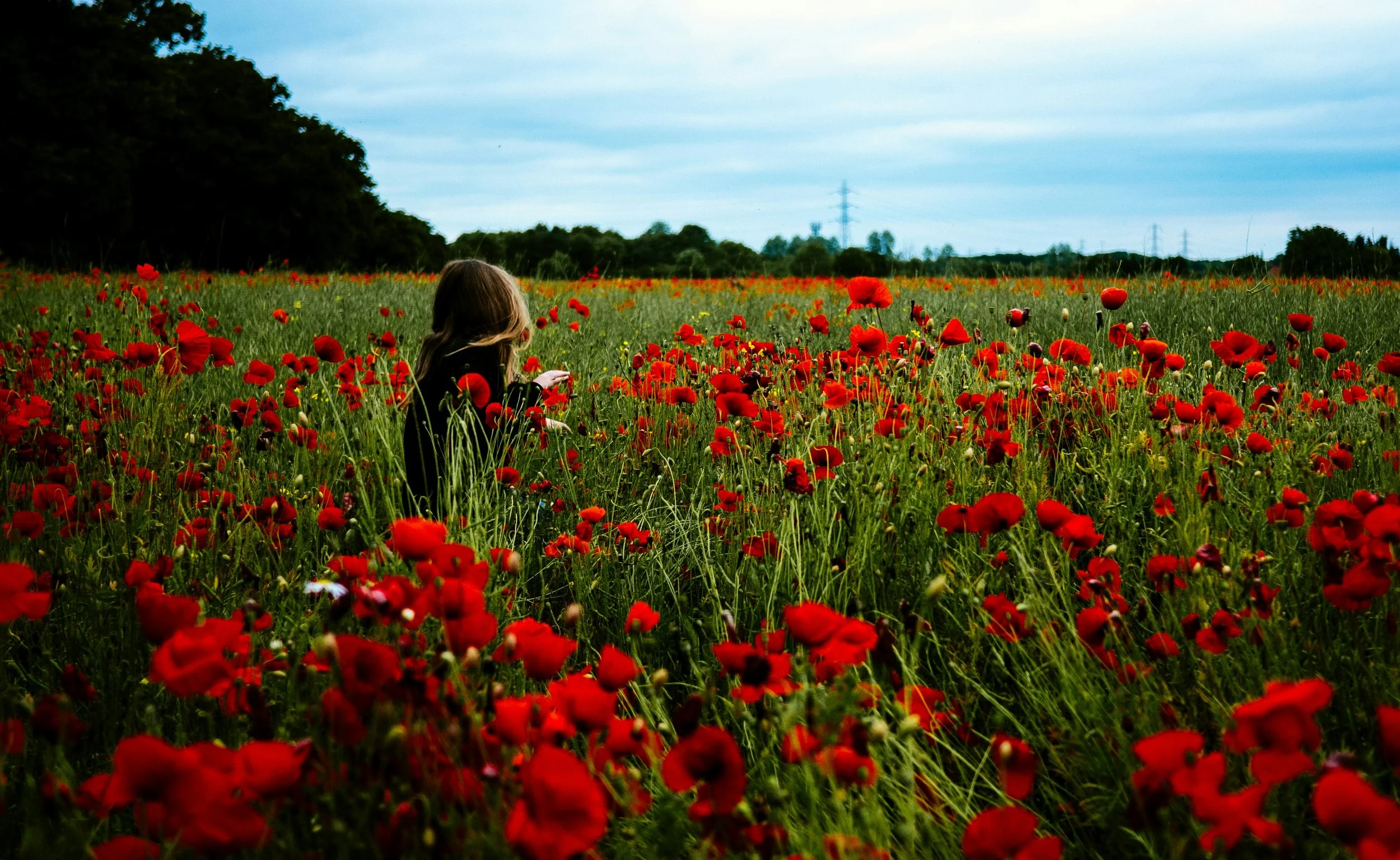
Special Issue: Experiencing Environments
From the Editors
We are very excited to share our second themed issue: “Experiencing Environments.” When drafting the CFP, the editorial board envisioned an issue centering on human experience in natural, built, or digital environments. Yet we’ve been stunned by the capacious range of submissions we’ve received exploring other kinds of ‘environments’—social, political, and even emotional, just to name a few. The issue covers a far richer and more wide-ranging array of perspectives than we could have imagined. We’ll be rolling out the issue in stages, so please check back periodically over the summer. Enjoy!
—The Waves team
Feral Cat Colonies
Cats of Circumstance, by Isabel DeVos
Pursuing Wholeness in a Time of Division
Trump, Myth, and the Politics of Wholeness, by Karina Claros
Leaving It All on the Field
Playing through Pain: Affective Environments and the Pursuit of Self-Worth, by Micah Rodriguez
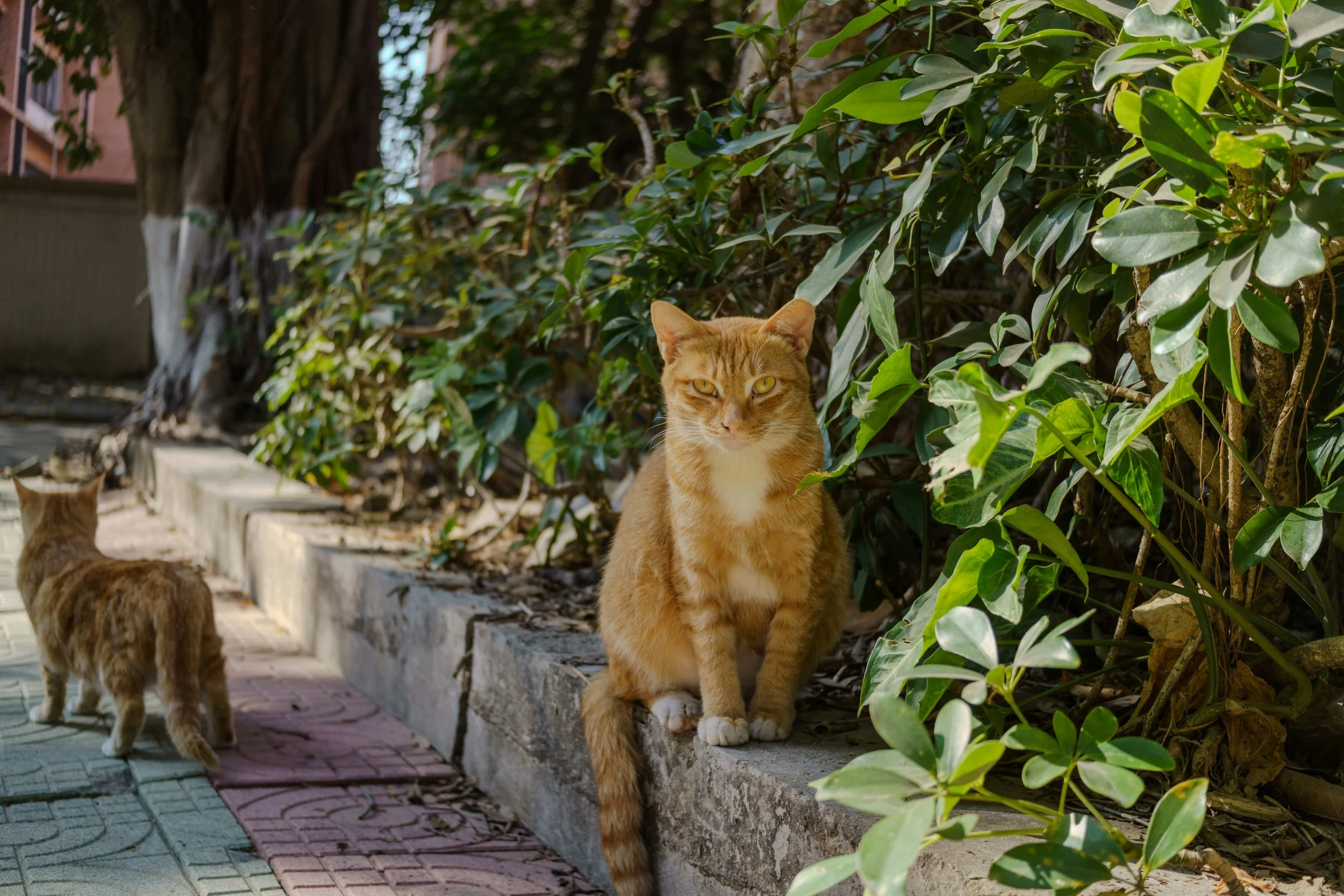
Isabel DeVos
“While ‘feral’ is considered to be an ugly word, these cats are first labelled this way by people and then disregarded as a result. I wanted to create a commentary that highlights the way society simultaneously perceives these creatures, and what causes that shift in perception. This message also serves as a greater parallel to human society as a whole. The central metaphor I establish about these cats and their differences (or similarities) displays themes of privilege, circumstance, and how arbitrary our ‘stations' in life are– while still entirely divisive.”
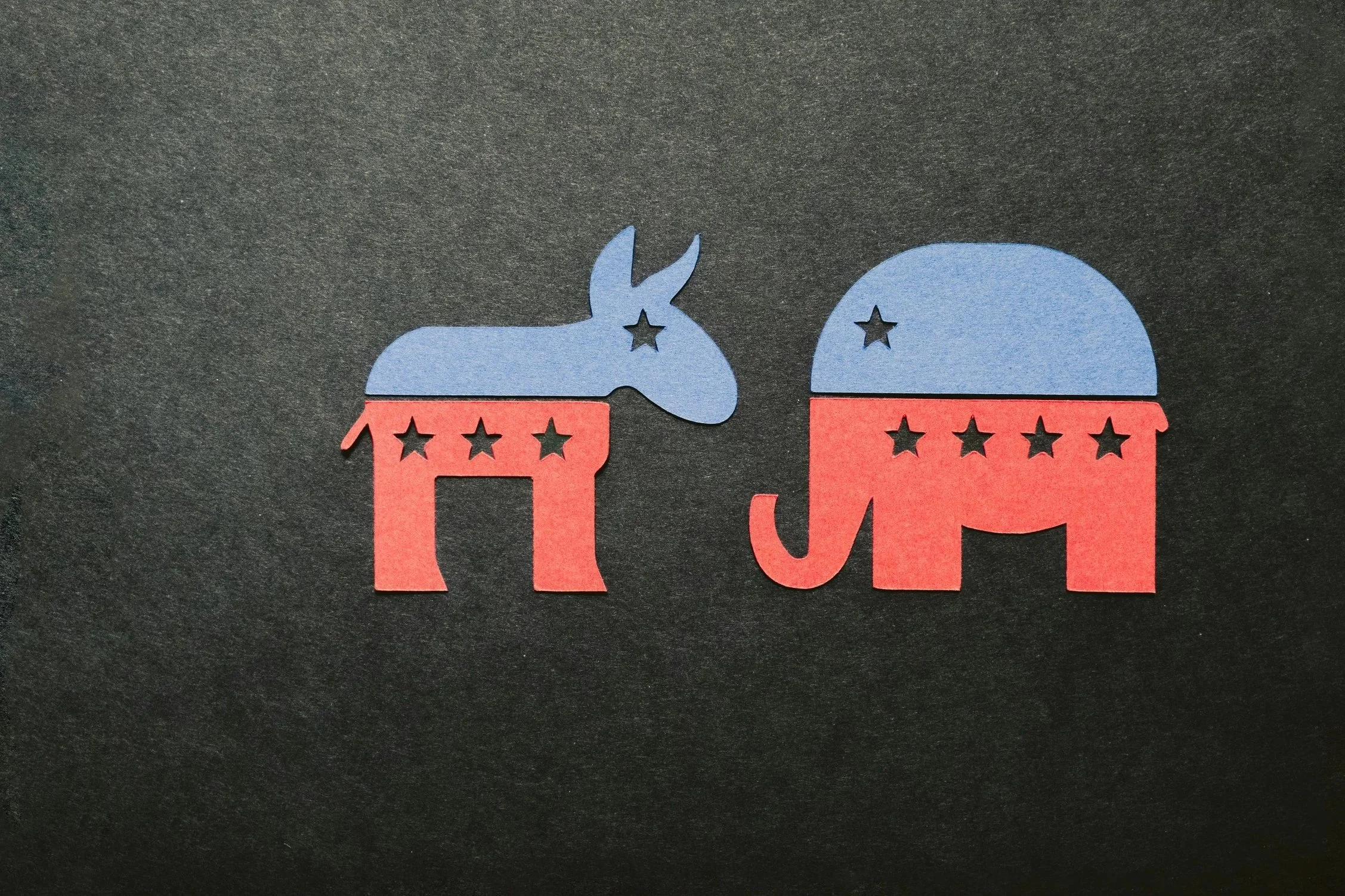
Karina Claros
“This piece emerged from a moment of emotional and intellectual urgency. As someone deeply invested in advocacy and systemic change, I’ve been grappling with the psychological toll of political division and cruelty . . . I turned to Joseph Campbell not just for mythic insight, but for a framework that could help reorient resistance toward wholeness, rather than reaction. His emphasis on integration over opposition felt like a lifeline in a time of fragmentation.”
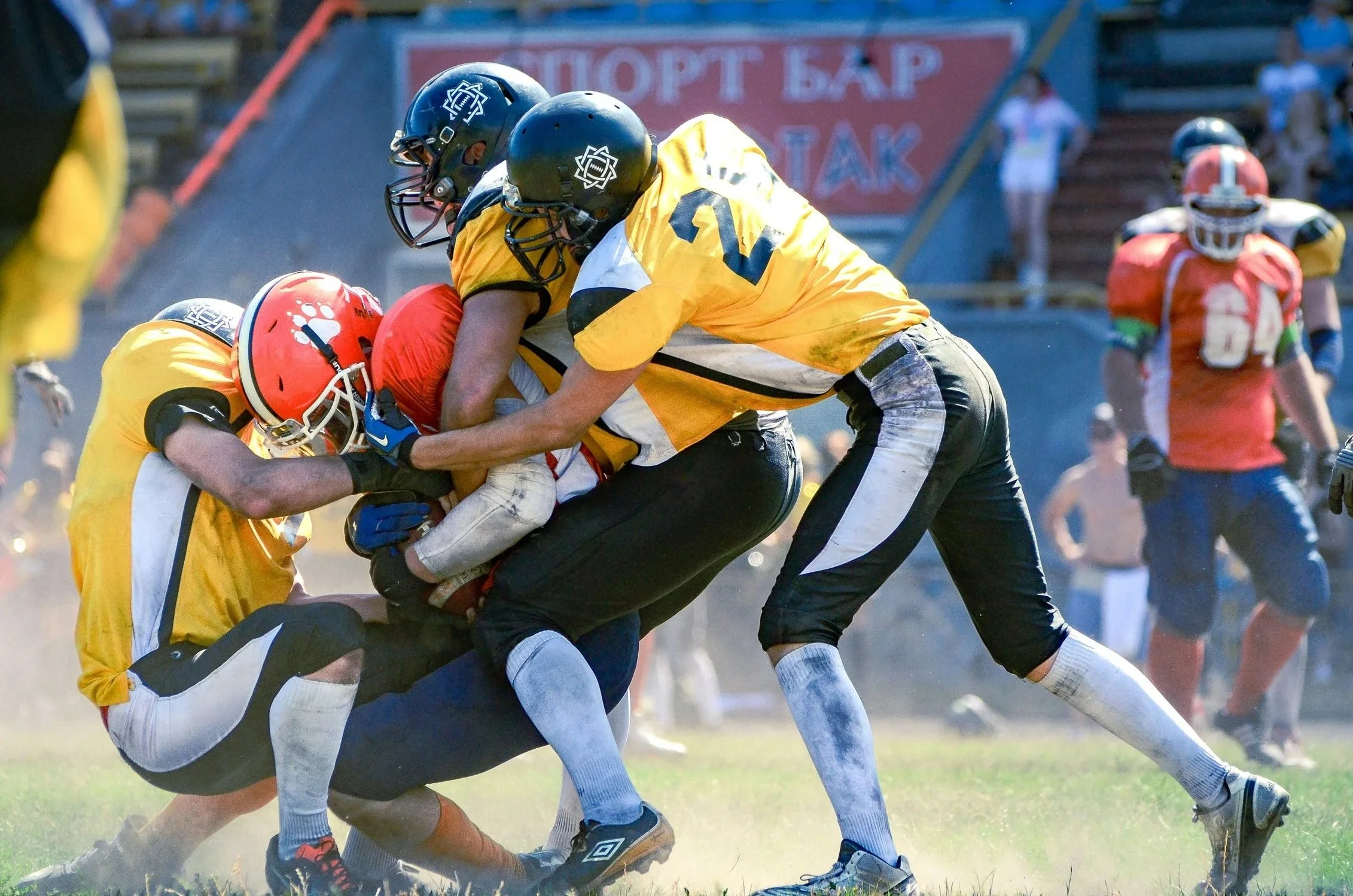
Micah Rodriguez
“This paper is meant to reach all athletes, including those who may not have directly experienced pain, but were unintentionally a part of a group that strengthened an unsustainable environment. Ultimately, I hope this project can help deliver a stronger sense of self-worth to athletes, encouraging them to remember they are valued and respected by their coaches, teammates, friends, and family, no matter how well they perform in competition. The person matters more than the player.”
Delaney Johnson
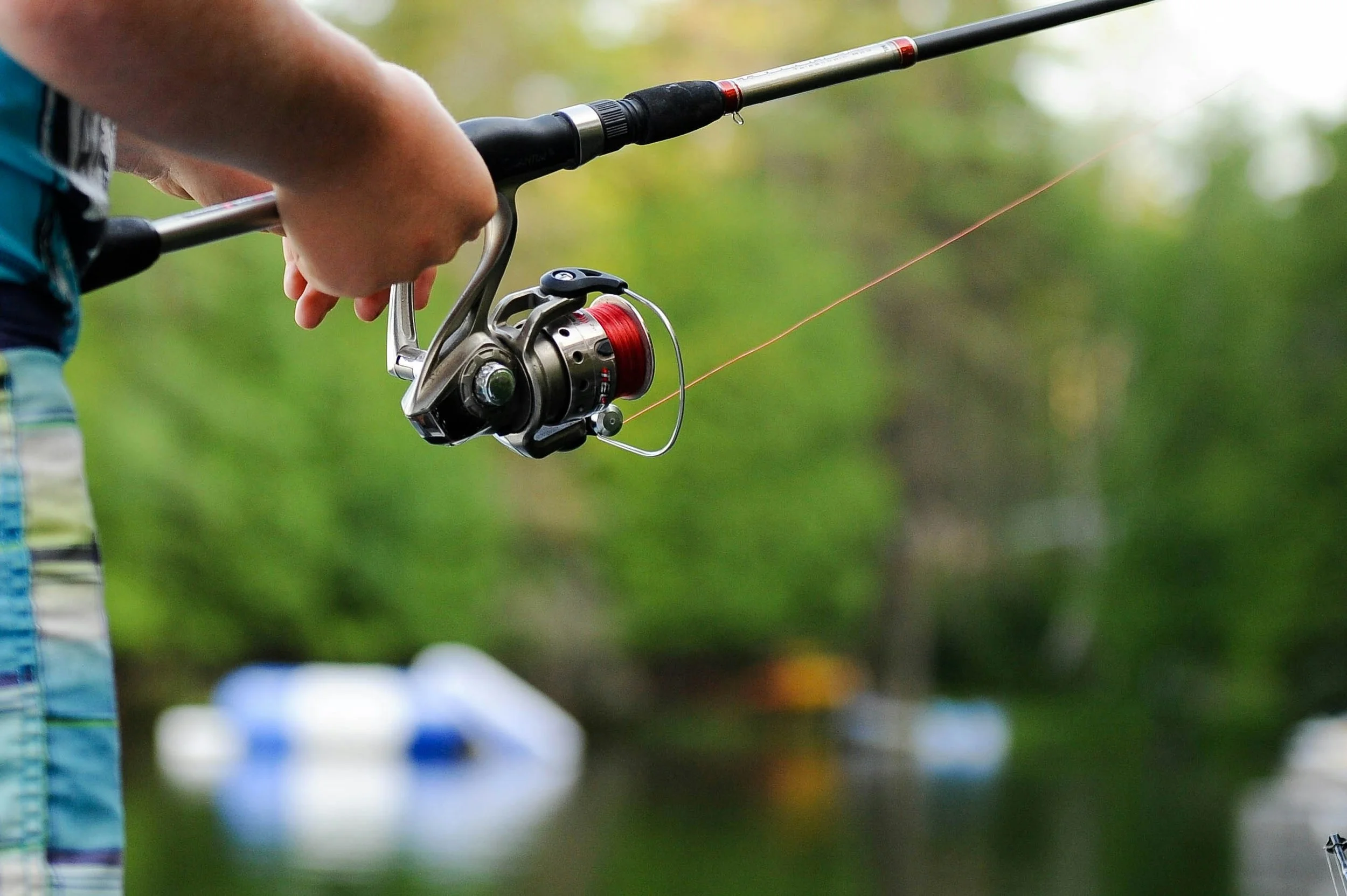
“I drew from my personal experience of living in Jupiter, Florida, where catching and selling fish is deeply connected to the town’s identity. I examined the common practice of fishing from the perspective of an innocent, empathetic child. This child allows readers to “re-meet” a common character from our lives and routines: a feeling fish. Emphasis of the fish’s feelings is not intended to discourage the act of fishing, but rather to encourage readers to see the fish as we once did as children.”